
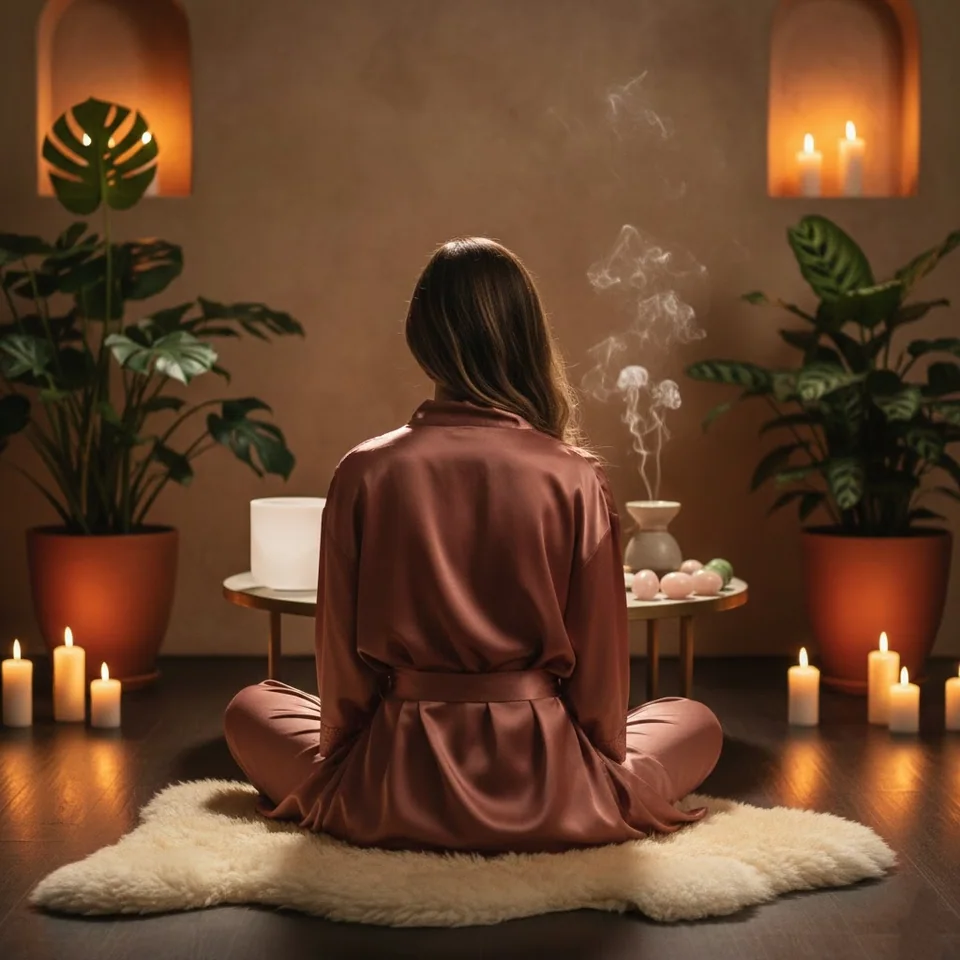
I Count Everything
My name is Shen Zhiyao. I'm thirty-six, and I've played cello with an orchestra in Chicago for eleven years. Outsiders think playing is about talent. We know better: it's about counting. Four beats to a bar — come in half a beat wrong and the whole row suffers with you. So I count everything I do. Bars in rehearsal. Performance days left on the calendar at home. Even the clasps on my cello case get fastened twice before my mind settles. There's a permanent ring of rosin dust on the hem of my black concert skirt; it never brushes off, and I've stopped trying.
The bill came due in my body. My bowing shoulder rides high all year round, like a piece of luggage that never gets set down. The calluses on my left fingertips stack layer over layer, and whatever hand cream I put on before a concert ends up on the fingerboard. At the season finale, the big piece ran more than forty minutes, and the last note had to hang in the air until the conductor's hand came down. As I drew the bow off the string, my right shoulder gave a small, traitorous shake. An older player beside me saw it. Afterwards, she tapped my score folder and said: Zhiyao, it's time somebody took care of you for a change.
This Time, No Counting
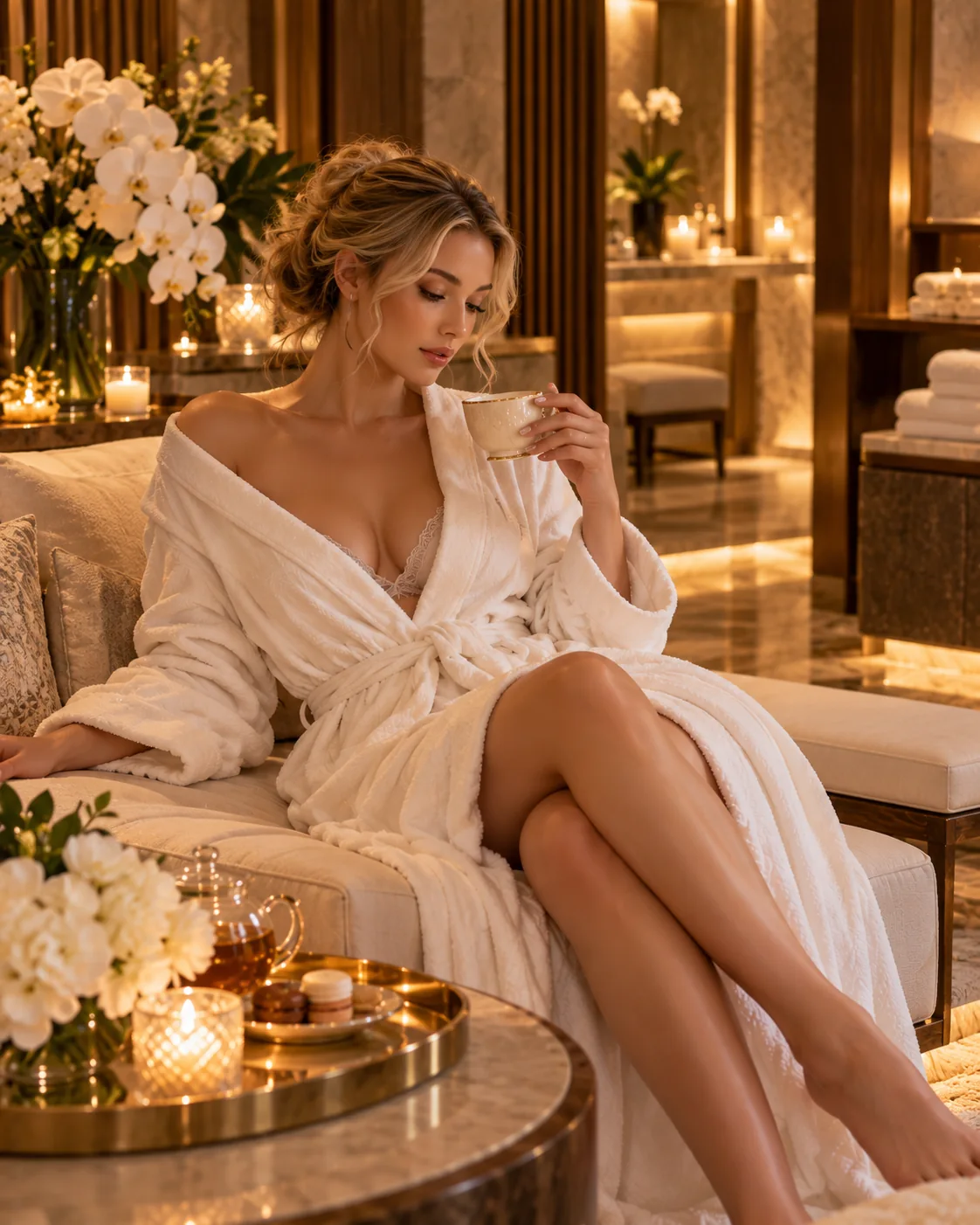
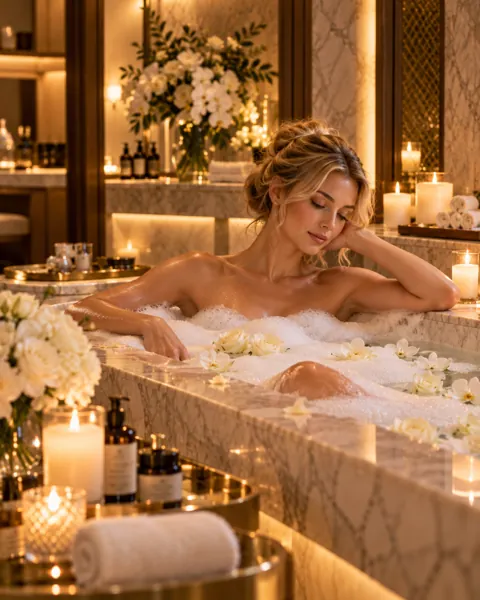
I had booked that afternoon three months ahead, and I very nearly didn't go — not because anything came up. I chickened out. Letting a stranger lay hands on shoulders that have held themselves up for eleven years felt, frankly, embarrassing. I went anyway. The room was dim, the towels warmed, the air faintly scented with wood and dried flowers. I lay face down and deliberately tucked my left hand underneath me, so it wouldn't start keeping time on its own. The therapist didn't ask much, just said one thing quietly before starting: no hurry today. Take it slow.
A palm came down on my shoulder blade — warm, steady. Without thinking, I started counting in my head: one, two — and at three, I laughed out loud. Apparently I need a beat even to relax. And after that laugh, my shoulders sank down on their own. What I remember after is all sensation: the brief cool of oil being spread, quickly warmed through by a palm; a hand passing along my waist, and my breath catching softly; that held, spreading ache, taken up and supported, rising little by little. I didn't fall asleep. I didn't want to waste it on sleep. I just listened to my breathing come undone and settle, undone and settle, like a slow movement with no score. Nobody was waiting for my entrance. I didn't have to be on time for anyone.
After the House Emptied
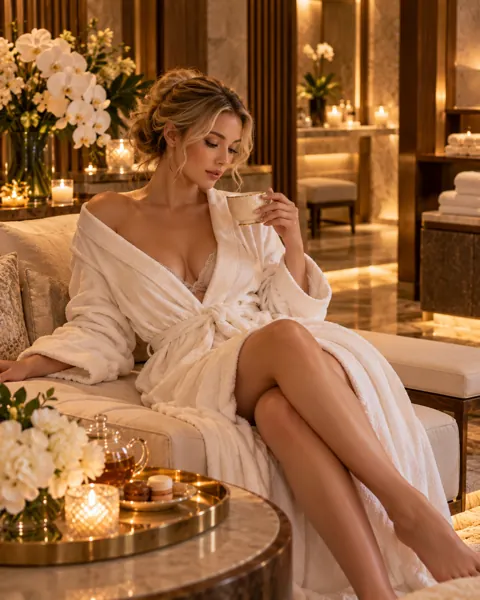
At the end, the therapist laid a warm towel across my back and said: rest a while. I lay there and heard someone wheel a music stand down the corridor outside, the sound receding. Strange — normally that sound sends me straight to the rehearsal schedule. That day I didn't move. So this is what it's like, I thought, to hand the beat to someone else: no rushing ahead, no dragging behind. Time carries you, and all you have to do is lie there.
On the train home I spread my hands on my knees and looked at them. The calluses were still there, but the hands themselves were soft, and my right shoulder, for once, wasn't braced. The season was over; the group chat was already filling with next season's dates. I stared at that schedule for a long time and, for once, didn't start counting the boxes. Some afternoons shouldn't have to wait for a curtain call to be deserved — if you want to hand over the beat for a while, booking yourself an afternoon in advance is enough. I booked my next one for just before the new season begins.
 Explore private spa →
 Explore pricing →
 Discover privileges →