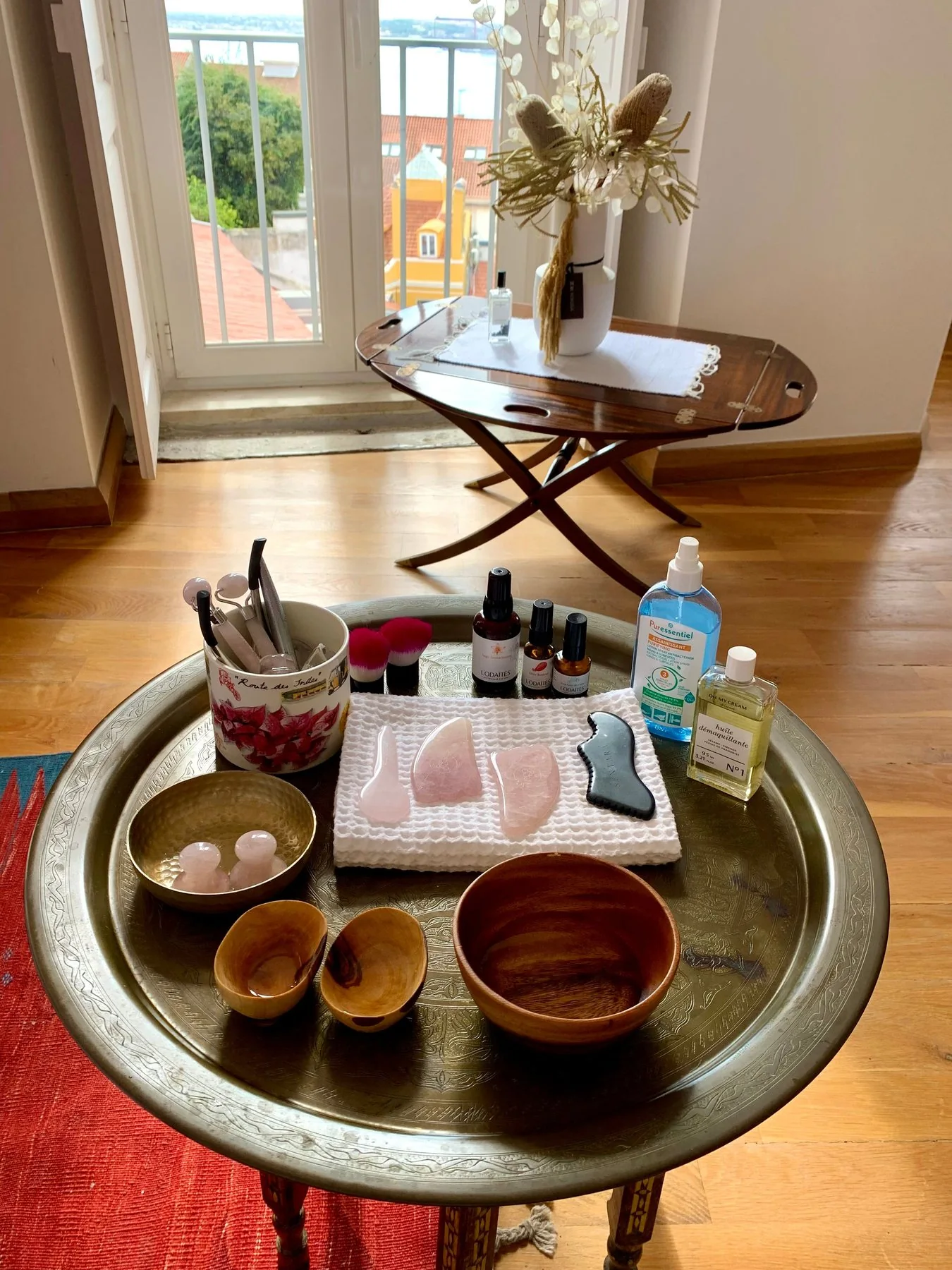
A Bedtime Environment That Helps You Transition Out of the Day
A bedroom does not need to look expensive to feel more restful. It only needs to ask less of you in the last part of the day.

Lower the visual volume
Put away one visible pile, turn off a harsh overhead light, and choose a smaller lamp or softer corner of the room. You are not styling a hotel suite. You are giving your eyes fewer messages to process.

Create a simple screen boundary
The CDC includes turning off electronic devices at least thirty minutes before bedtime among habits that can improve sleep. Use that as an invitation, not a performance standard. Even a shorter phone-free buffer can change the feeling of the room.

Make temperature and texture do some work
A quieter, relaxing, and cool bedroom is also part of CDC sleep-habit guidance. Adjust what you can: a light layer, fresh air, a softer blanket, or a less cluttered bedside surface.

Use one closing cue
A shower, face wash, tea, a page of writing, or setting out tomorrow’s clothes can become a small closing ritual. Pick one. Repetition matters more than a long routine.
Keep the tone non-punitive
A restless night is not a failure of character or decor. This page offers general environment ideas, not treatment for sleep concerns. If sleep difficulties are persistent or worrying, seek advice from an appropriate health professional.
Frequently Asked Questions
Do I need to stop using screens exactly thirty minutes before bed?
No. The CDC guidance offers a helpful target, but use it flexibly and build the version you can sustain.
What is one easy bedroom change?
Lowering a harsh light or clearing one bedside surface can be enough to begin.
Is this medical advice for insomnia?
No. It is lifestyle guidance about creating a gentler environment. Consult a qualified professional for ongoing sleep concerns.
Before you book
A clearer conversation makes the experience feel more like your own.
Premium women’s wellness is not about exaggerated promises. It starts with knowing that you may name a preference, adjust the pace, or say no at any point.
Your city, timing, preferred atmosphere, fragrance, music, temperature, transition time, and anything you wish to avoid can all be discussed privately before an arrangement is confirmed.
- Share your city and preferred time window
- Describe the atmosphere and pace that help you settle
- Name any boundaries or preferences in advance
Read thoughtfully. This journal provides general wellness and travel inspiration only. It is not medical advice, and it does not replace guidance from a qualified health professional.
How we write this journal · Source library · Browse all guides