
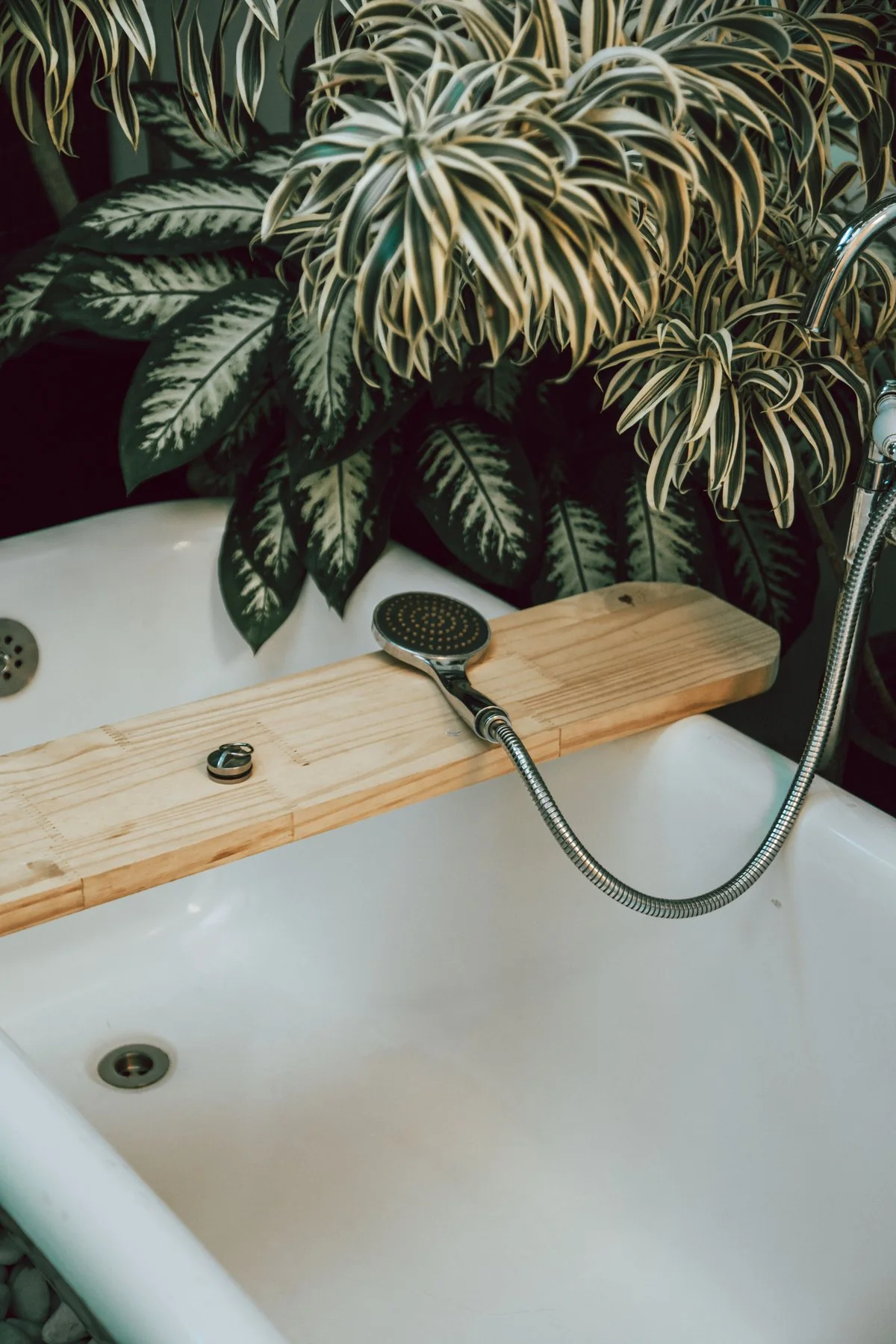
Private Comfort
Private Women’s Spa Comfort: How to Ask for Privacy, Quiet, and a Pace That Feels Right
A practical guide for women seeking private spa comfort, quiet, professional communication, and a pace that supports relaxation.
A first visit should not require confidence you do not yet have. It should give you enough information to decide what feels right.
Women’s Spa First Visit: What to Expect, What to Ask, and How to Feel Comfortable is most useful when it is framed as a choice rather than a performance. A women’s spa guide is at its best when it combines sensory ease with practical information: what happens next, who will be present, how preferences are handled, and where you can pause or change your mind. The point is not to chase a perfect spa image; it is to choose a pace, setting, and level of attention that makes your body feel less hurried.
Start with the parts you can name: how much time you have, whether you want quiet or conversation, your fragrance preference, and how you would like to feel when the appointment ends. A professional wellness setting should make these questions ordinary and easy to answer.
Keep the aftercare simple: water, comfortable clothing, a little unplanned time, and no pressure to make the rest of the day productive. The luxury is often the space you protect after the ritual ends.
Every preference is personal. These answers help you protect clarity before you book, while you travel, or when you are choosing a gentler routine.
Yes. A professional setting should make it easy to request a change in pressure, temperature, fragrance, sound level, or pace.
Prioritize clear communication, professional standards, privacy, and an amount of time that does not leave you rushed.
No. It is general lifestyle and travel guidance; consult a qualified professional for medical questions.
From a beautiful ritual to a clear plan, every guide leads back to a more thoughtful private wellness conversation.
A practical guide for women seeking private spa comfort, quiet, professional communication, and a pace that supports relaxation.
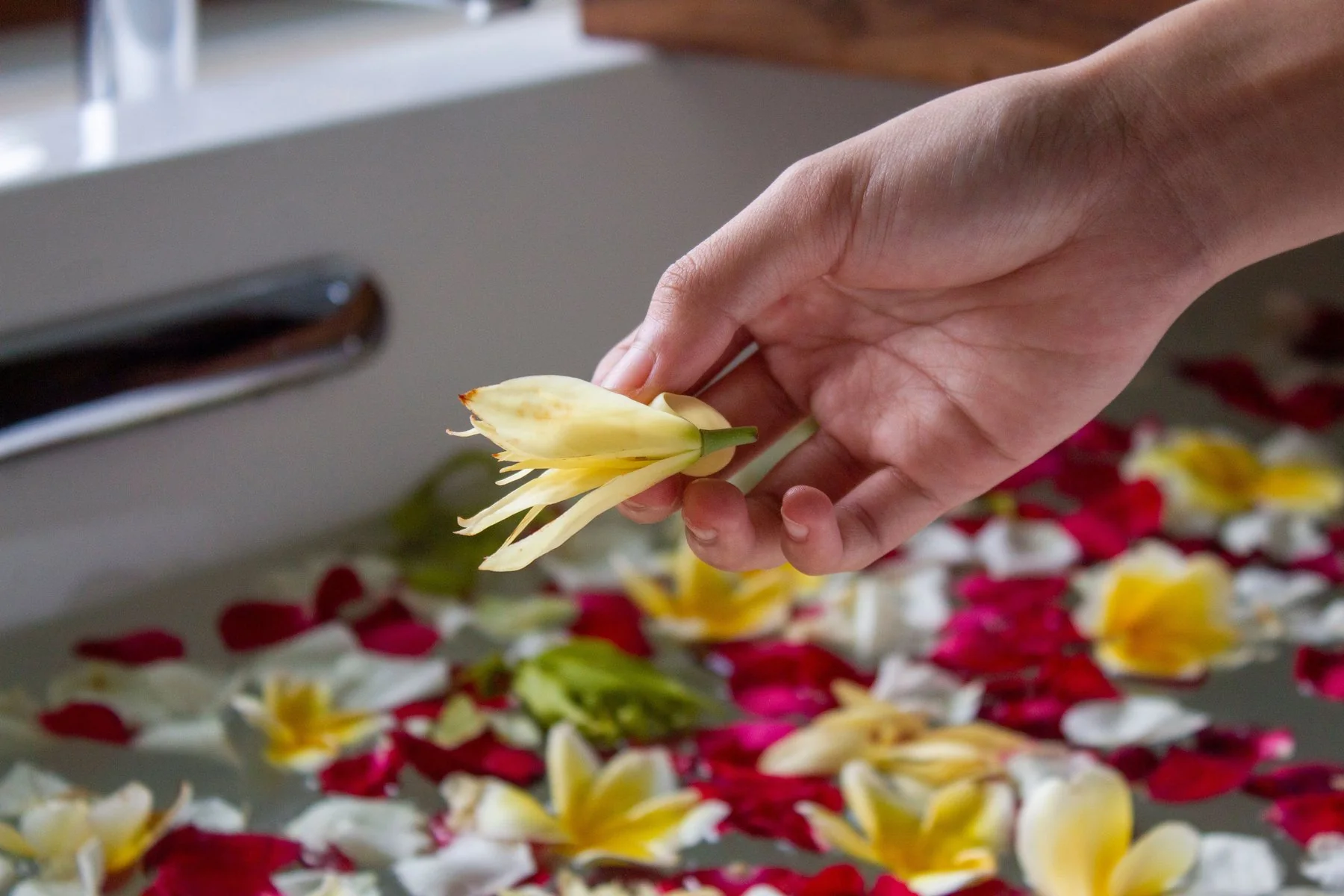
Compare women’s spa treatment choices through time, sensory preference, professional boundaries, and how you want to feel after.
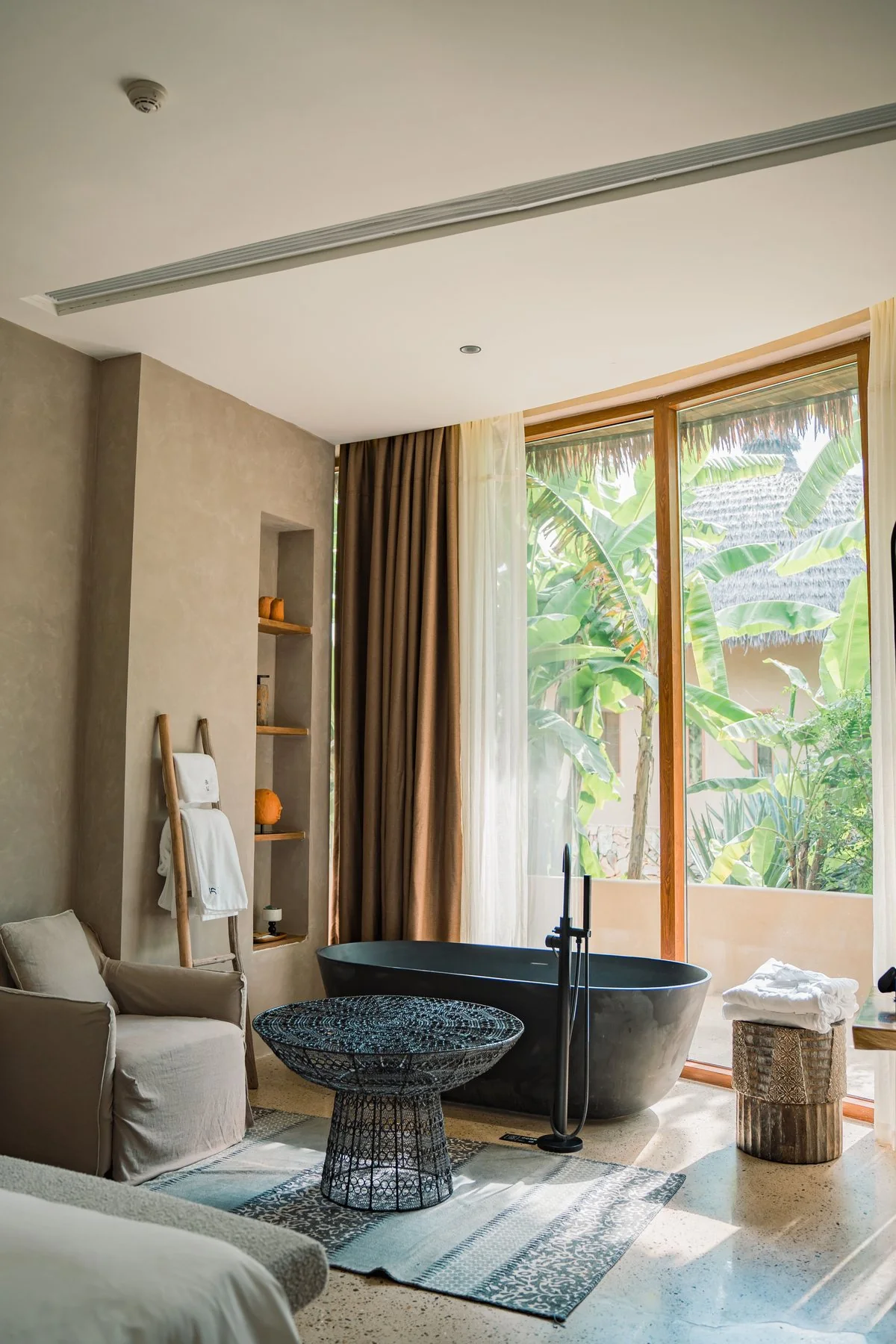
Plan a solo women’s spa day with a private pace, clear preferences, gentle aftercare, and no need to make the experience performative.
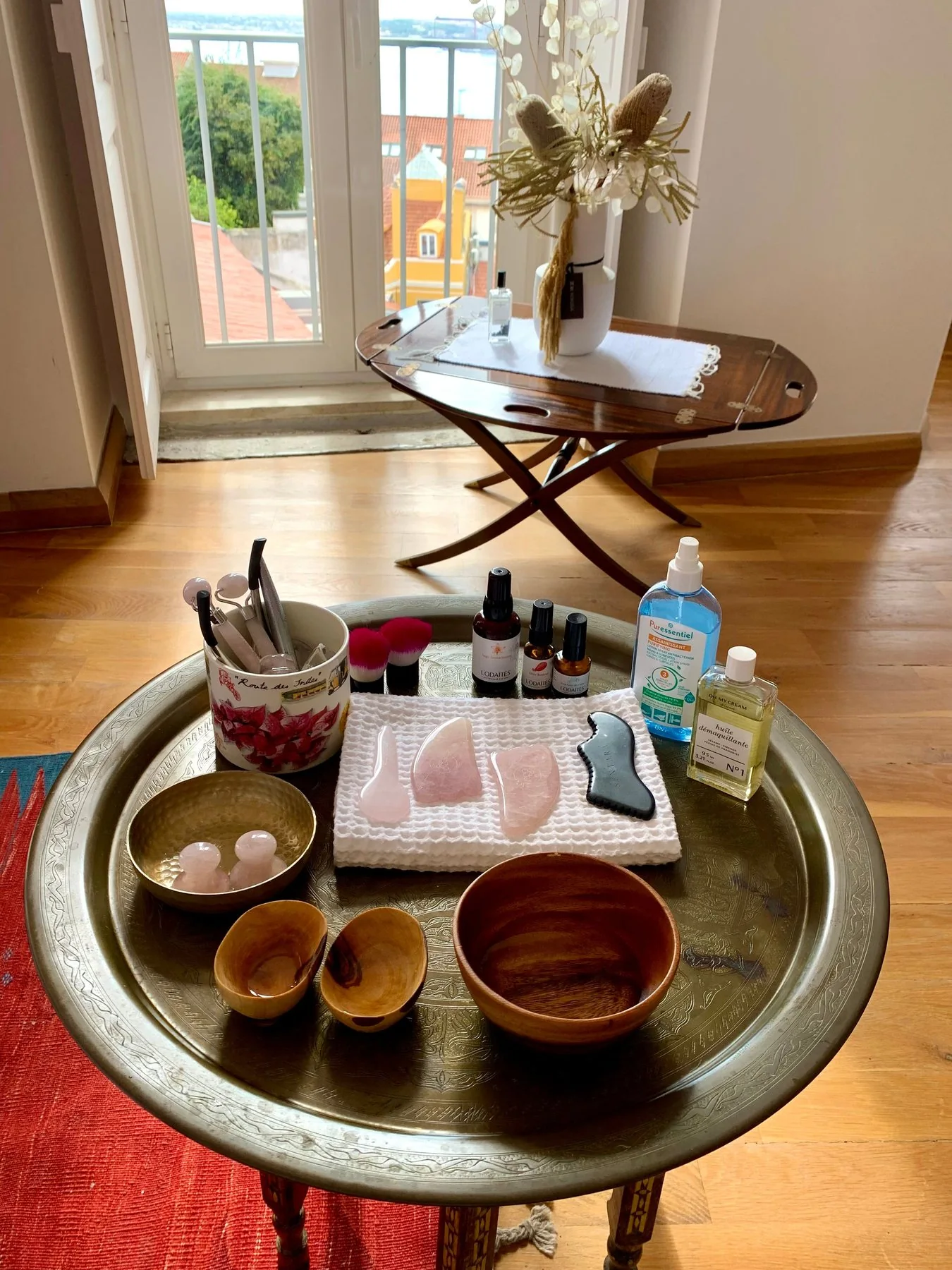
A practical women’s spa guide to first visits, private comfort, treatment choices, solo wellness time, and professional care.
Share the pace, privacy, and preferences that would help the experience feel like yours.
Privacy is a design detail, not an afterthought · Women’s Spa First Visit: What to Expect, What to Ask, and How to Feel Comfortable
High-end care should make comfort visible. That can mean a room that feels intentionally arranged, a clear path through the appointment, and a practitioner who does not mistake silence for consent.
Professionalism shows in the small sentences: ‘Would you like a lighter scent?’ ‘Would you prefer quiet?’ ‘Is this pressure comfortable?’ Those check-ins make the experience more personal without making it intrusive.
Leave a few minutes for yourself. Lower the volume of the day and decide what matters most: scent, quiet, privacy, pressure, room temperature, or areas you would like to avoid.
A good pace makes each transition clear. You never need to tolerate discomfort or stay silent simply to seem easygoing; adjustments are part of well-considered care.
Protect a little afterglow. Water, a soft layer, a simple meal, and no immediate high-pressure obligation can let the atmosphere follow you home more gently.
“Privacy and clear communication matter to me. Before I book, can you explain the arrival, changing, comfort check-ins, and how I can request adjustments?”
This editorial layer does not promise a particular service or outcome. It is here to help you name atmosphere, pace, comfort, and boundaries more clearly. A professional experience should always be consensual, transparent, and responsive to personal preference.