First Visit Guide

Before Your Spa Visit: A Gentle Preparation Checklist

The best preparation is not a complicated routine. It is giving yourself enough room to arrive without rushing.
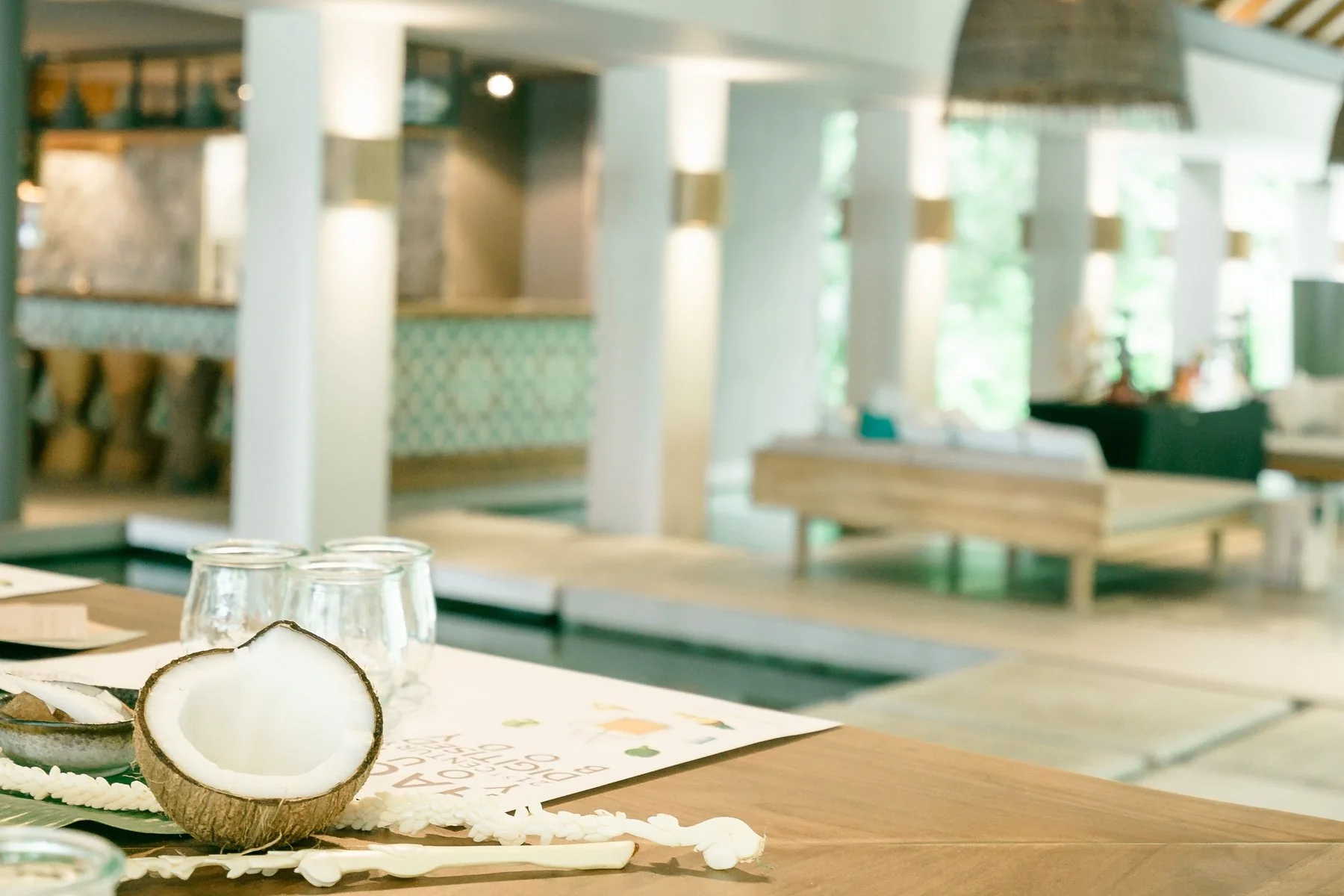
Tropical spa interior with fresh coconut and warm natural light

A spa visit feels more restorative when it is not squeezed between two stressful commitments. You do not need special products or a perfect self-care morning. You only need a few practical choices that protect your comfort: arrive early, communicate openly, and avoid stacking too many intense treatments at once.

Plan the hour around it

Leave a small buffer before and after. Avoid booking a demanding meeting directly after a long massage or body ritual. Eat something light if that helps you feel steady, and drink water through the day. The goal is not to follow a strict wellness script. It is to reduce friction.

Think about skin and scent

Avoid aggressive exfoliation, strong fragrance, or a fresh shave immediately before a body treatment if your skin is sensitive. Tell the spa about any product sensitivities or recent treatments. Ask whether fragrance-free oil, a simpler scrub, or a lighter ritual is available.

Questions worth asking

Ask about the exact treatment sequence, length, therapist availability, private changing facilities, and what you should bring. When the service is clear, you can relax more easily.

Choose a simple intention

It can be as small as: “I want to leave less rushed.” That is enough. You do not need to arrive with a crisis or leave with a breakthrough.

A gentle reminder: premium wellness should feel clear, private, professional, and comfortably within your boundaries. You can ask questions, make requests, or choose a simpler option at any point.
Questions, answered

Frequently Asked Questions

Should I arrive early?

Yes. Ten to fifteen minutes is usually enough unless the spa asks for more.

Can I eat before a spa treatment?

A light meal is often more comfortable than arriving hungry or overly full.

What should I bring?

Usually only what you need afterward; ask the spa what it provides.

Read thoughtfully. This journal provides general wellness and travel inspiration only. It is not medical advice, and it does not replace the guidance of a qualified health professional.

Browse all guides · How we write this journal

V14 · Experience Detail

Read this page as a more vivid private experience

Luxury lives in the details that let you exhale · Before Your Spa Visit: A Gentle Preparation Checklist

The most persuasive wellness experiences do not need to be loud. They create a quieter kind of confidence: a room prepared with care, an explanation offered before you need to ask, and enough time for your attention to leave the rest of the day behind.

Before you book, choose the feeling you want to protect: quiet, warmth, privacy, beauty, a sense of being off duty, or simply a slower pace. That is more useful than trying to choose from every possible service name.

warm welcomeclear communicationsoft atmospherepersonal pace
Before you arrive

Leave a few minutes for yourself. Lower the volume of the day and decide what matters most: scent, quiet, privacy, pressure, room temperature, or areas you would like to avoid.

While you are there

A good pace makes each transition clear. You never need to tolerate discomfort or stay silent simply to seem easygoing; adjustments are part of well-considered care.

When you leave

Protect a little afterglow. Water, a soft layer, a simple meal, and no immediate high-pressure obligation can let the atmosphere follow you home more gently.

A more personal way to ask when booking

“I am looking for a polished, calming wellness experience. What can we personalize around timing, atmosphere, privacy, scent, and pace?”

This editorial layer does not promise a particular service or outcome. It is here to help you name atmosphere, pace, comfort, and boundaries more clearly. A professional experience should always be consensual, transparent, and responsive to personal preference.

Private Consultation