Balinese-Inspired Massage vs. Swedish Massage: What Feels Different?
Two massage menus can use familiar names and still feel completely different. The clearest way to choose is not to chase a label—it is to understand the pace, pressure, oil, stretching, and atmosphere you want.
Start with how you want to feel afterward
Some guests want a deeply quiet hour with warm oil and an unhurried rhythm. Others want focused attention on tired shoulders or legs after travel. A service name is only a starting point; your desired outcome is the more useful booking detail.
Balinese-inspired sessions often feel layered
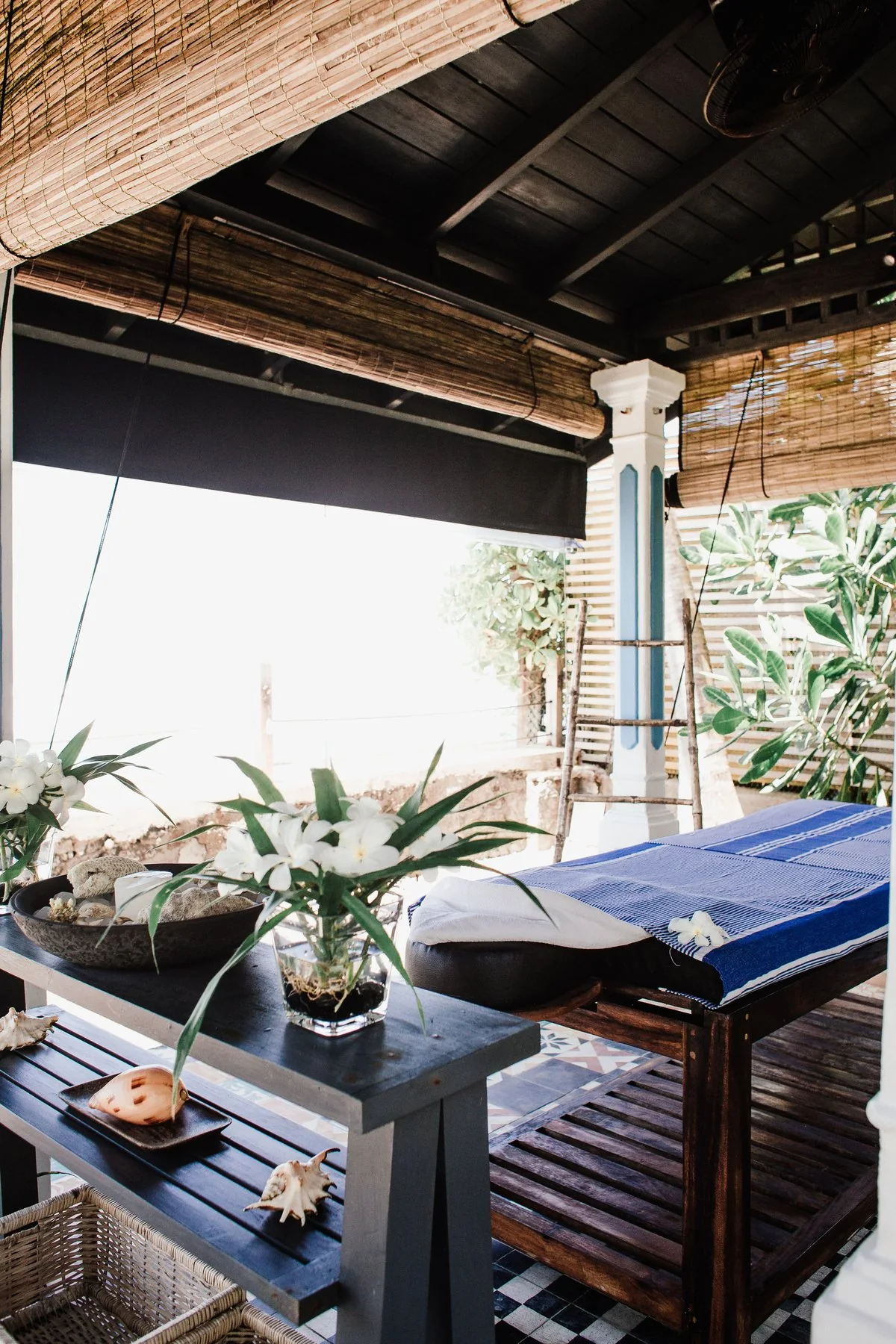
Balinese spa traditions are often described through a blend of massage, aromatherapy, pressure work, and a slower sensory setting. In a contemporary wellness setting, that can mean warm oil, a grounded pace, optional stretching, and a more immersive arrival-and-aftercare ritual.
Swedish massage is often requested for a familiar format
Swedish massage is commonly used as a menu label for long, flowing strokes, kneading, and a customizable level of pressure. Spas may interpret the format differently, which is why a short pre-treatment conversation matters more than the name alone.
The best choice is the one you can describe clearly
Use plain language: “I would like a very calming full-body treatment,” “Please focus on my upper back but stay light,” or “I do not want stretching today.” This is more useful than trying to choose perfectly from a menu.
Do not make comfort negotiable
You can change the pressure, ask for more draping, decline scented oil, or end a session. A professional setting treats requests as normal parts of the service.
Frequently Asked Questions
Which one is better for a first spa visit?
Choose the service whose description feels clearest, then tell the practitioner you are new and prefer a gentle, explained experience.
Can a massage include aromatherapy?
Often, yes, but scent should remain optional. Ask for unscented oil when needed.
Should massage be painful to work?
No. “Strong” and “uncomfortable” are different. Tell the practitioner immediately when pressure is not right.
Read thoughtfully. This journal provides general wellness and travel inspiration only. It is not medical advice, and it does not replace the guidance of a qualified health professional.