
Ritual Notes

Aromatherapy at the Spa: Choosing a Scent That Feels Like You

The right scent does not need to announce itself. It can simply make the room feel easier to be in.
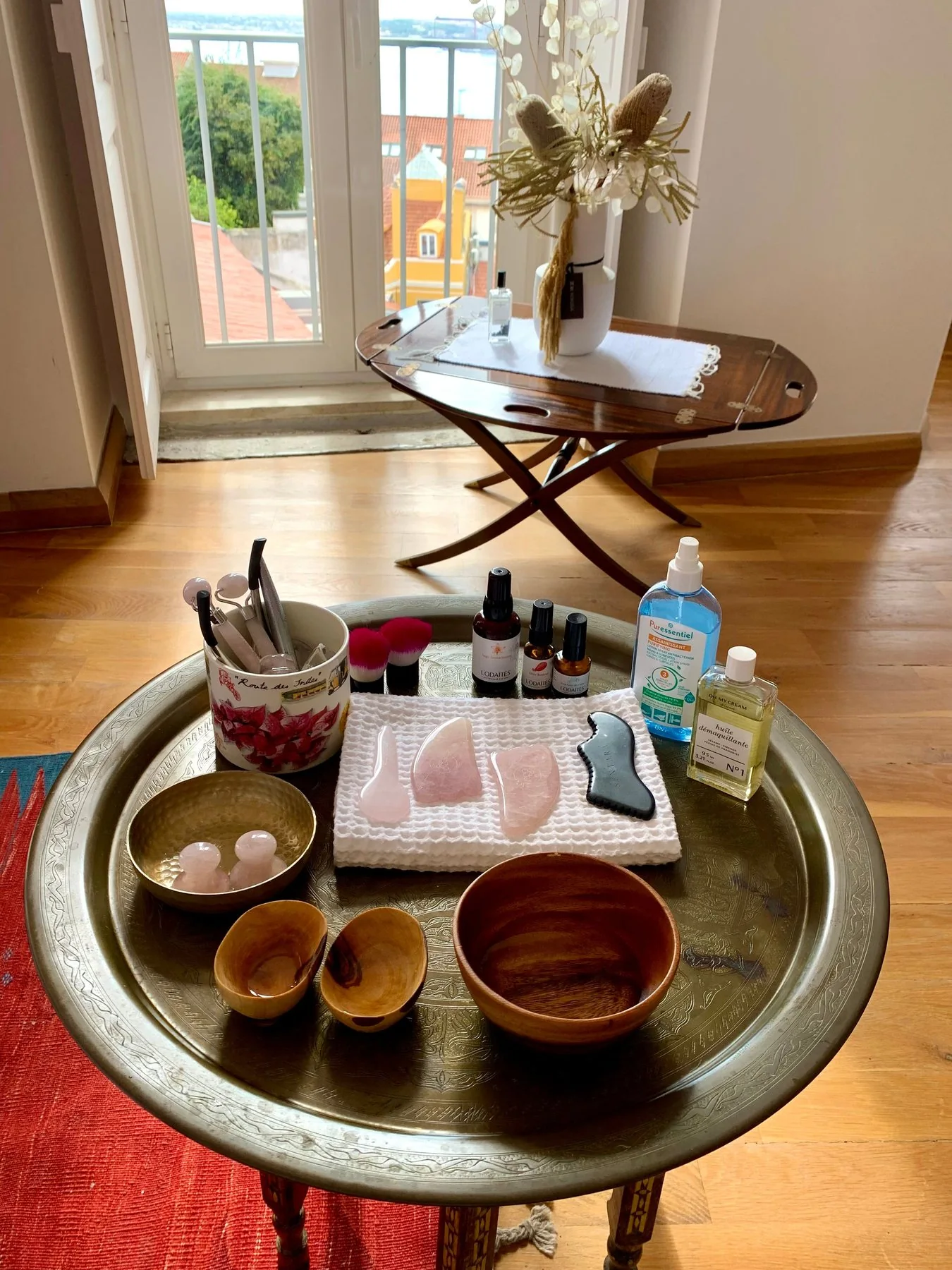
Wellness table with oils, stones, wooden bowls, and soft natural light

Aromatherapy can be part of a massage oil, a diffuser, a warm towel, a foot soak, or a quiet inhale before a treatment begins. It is an atmosphere tool, not a test of how “well” you are doing. You may love floral notes, prefer something citrusy and clean, or want no fragrance at all. All three are valid.

Start with how you want the room to feel

Instead of choosing a scent by name, choose a mood. Do you want the room to feel fresh, soft, warm, bright, or nearly scent-free? This gives the provider a clearer starting point. A good spa will offer options without pressuring you to select a signature blend.

Keep sensitivities visible

Scents can be emotional and personal, but they can also be too much. Headaches, asthma, allergies, nausea, pregnancy, and simply a dislike of fragrance are all reasons to request a lighter approach. Say it early. A professional team will treat fragrance preference as essential information, not a minor detail.

Less can feel more luxurious

A single soft note in a clean room is often more elegant than a heavy blend. Think of scent as a detail around the treatment, not the treatment itself. If you leave and your clothes still smell intensely perfumed, the room may have asked for more than you wanted.

Build your own small scent ritual

At home, keep it minimal: one candle, one diffuser setting, or one drop of a skin-safe product diluted as directed. Pair it with an action you want to repeat, such as changing into comfortable clothes, making tea, or putting your phone on charge in another room.

A gentle reminder: premium wellness should feel clear, private, professional, and comfortably within your boundaries. You can ask questions, make requests, or choose a simpler option at any point.
Questions, answered

Frequently Asked Questions

Can I request a fragrance-free service?

Yes. Ask when booking and remind the team on arrival.

How do I choose a scent?

Choose by mood first, then test gently. Do not force yourself to like a scent because it sounds luxurious.

Can aromatherapy replace medical care?

No. It is a comfort and atmosphere element, not medical treatment.

Read thoughtfully. This journal provides general wellness and travel inspiration only. It is not medical advice, and it does not replace the guidance of a qualified health professional.

Browse all guides · How we write this journal

V14 · Experience Detail

Read this page as a more vivid private experience

The atmosphere should feel composed, not overwhelming · Aromatherapy at the Spa: Choosing a Scent That Feels Like You

The best sensory spaces feel edited. They leave room for your own attention rather than filling every silence with music, every corner with fragrance, or every surface with decoration.

Look for atmosphere that supports your comfort rather than selling you a fantasy. The most luxurious sensory experience is one you can inhabit easily.

low fragrance optionwarm towelssoft lightingflower-water detail
Before you arrive

Leave a few minutes for yourself. Lower the volume of the day and decide what matters most: scent, quiet, privacy, pressure, room temperature, or areas you would like to avoid.

While you are there

A good pace makes each transition clear. You never need to tolerate discomfort or stay silent simply to seem easygoing; adjustments are part of well-considered care.

When you leave

Protect a little afterglow. Water, a soft layer, a simple meal, and no immediate high-pressure obligation can let the atmosphere follow you home more gently.

A more personal way to ask when booking

“I care about scent and atmosphere. Can we keep the fragrance light, the room quiet, and the sensory details soft rather than overwhelming?”

This editorial layer does not promise a particular service or outcome. It is here to help you name atmosphere, pace, comfort, and boundaries more clearly. A professional experience should always be consensual, transparent, and responsive to personal preference.

Private Consultation